| Availability: | |
|---|---|
| Quantity: | |
XRT-MPF
xinrui-te
550340
------XRT-MPF
Our polypropylene monofilament fibers are made with advanced spinning technology and enhanced with functional additives and a special surface treatment. Mix them into cement, concrete, mortar, or plaster, and they spread easily, feel more water-friendly, and bond strongly. They help reinforce and stop cracks in all kinds of cement-based mixes—perfect for building surfaces like floors, walls, and more.
| Raw Material | Polypropylene | Crack Elongation | 20+/-5% |
| Fiber Type | monofilament | Fiber Diameter | 20um-30um |
| Melting Point(C Deg) | 160 - 170 | Density(g/cm3) | 0.91+/-0.01
|
| Acid&Alkali Resistance | Strong | Tensile Strength(MPa) | 450 min. |
| Water Absorbency | NO
| Length | Times of 4mm or 6mm |
A). No agglomeration and easily spread around in mortar or concrete. Guarantee crack resistance effectively.
B) Apply conveniently. Just add the fibers to the mortar mixture and stir for
a moment after adding water.
C)Has fine economic property. The equivalent diameter of polypropylene
monofilament fiber is only φ 25um, so the ratio of diameter. The surface is
high, and based on crack resistance, it can reduce the
amount (0.6kg/m 3 ) and cut down the cost effectively.
D). Be better to plaster. Because a great number of thin fibers are spread into
Mortar evenly, so the plastering is much easier. E). The polypropylene monofilament fibers have stable chemical properties, Super Dispersing Fiber
, strong acid &alkali resistance.
The economic costs of polypropylene monofilament fibers primarily include material purchase, construction/mixing impacts, and long‑term maintenance savings. Key points and typical figures (for reference only—check local market prices):
1. Purchase cost
Price(/kg) | 1.5–6.0 | |
Dosage(kg/m³) | 0.6–2.0 | |
Cost | 0.6kg/m³ | $0.9-$3.6 |
2.0kg/m³ | $1.2-$4.0 | |
2. Other direct or indirect costs/impacts:
You might need to mix longer or tweak the additives, which adds a bit of labor and additive costs.
1. It can reduce plastic cracking and lower maintenance/repair costs; in some jobs, it can partially replace thin steel fibers or allow you to use less rebar/mesh, saving on materials and labor.
2. Better impact resistance and durability can make structures last longer and reduce lifecycle costs.
A). Dosage: for resisting the common cracks on surfaces, 0.9kg/m3 fibers to cement mortar is enough, and for increasing
reinforcement and seepage resistance, application of 1.8kg/m3 is enough.
B). Stirring requirement: The proportion of cement, sand, and aggregate does not need to be changed. Put cement,
aggregate, additive, and fiber together, then stir after adding enough water, and the time for stirring can be prolonged for
2~3 minutes to ensure the compound mixes completely. Also, it can be mixed with cement and other aggregates
in advance, stirring by adding water at the worksite before construction.
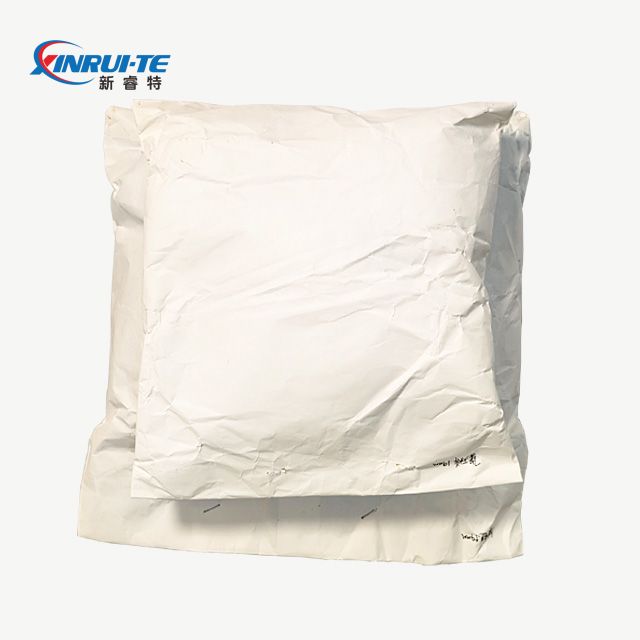
Normal packing is 0.6kg, 0.9kg, or 1.0 kg per film bag; 18 kg/carton; or 20 kg/plastic woven bag. Water-soluble paper bag is available.
Are you feeling the pressure of rising steel costs and unpredictable supply chains? For contractors, engineers, and project owners, the post-pandemic construction landscape has presented significant challenges, forcing the industry to seek smarter, more efficient materials. If you're looking for a w
Fibers have been an integral part of the construction industry for a long time. They are used in concrete to improve its mechanical and physical properties. Different types of fibers are used for various purposes, but polypropylene fibers are the most versatile and widely used. This article will ex
Concrete durability refers to the ability of concrete to withstand the effects of environmental media and survive long-term use without being damaged if it meets the design requirements. Improving the durability of concrete has important practical and long-term significance for extending the service
A concise, engineered reinforcement for concrete, macro synthetic fibres add post-crack strength and reduce surface cracking without the corrosion risks linked to steel.
IntroductionSelf-leveling concrete has become increasingly popular in modern construction due to its ability to produce smooth, durable, and high-quality surfaces.
In infrastructure projects worldwide, concrete's crack resistance, durability, and construction efficiency directly determine project costs and lifespan. Many projects incur rework, delays, and additional maintenance expenses due to difficulties with concrete pumping, failure to meet early strength
Foam in paint can ruin a smooth finish, causing imperfections and defects. How do manufacturers tackle this issue? Enter the defoaming agent, a crucial additive in paint formulation. In this post, you'll learn about defoamers' role in ensuring paint quality and the significance of foam control in industrial applications.
Innovative Applications of Polymer Macro Synthetics Fibers in Transportation Engineering In the realm of transportation engineering, the pursuit of durability, efficiency, and sustainability is paramount. Among the innovative materials revolutionizing this field, polymer macro synthetics fibers (PMS
Concrete is a fundamental building material in the construction industry. However, its brittleness and susceptibility to cracking have long been challenges for engineers and builders. To address these issues, innovative solutions such as polypropylene (PP) hybrid macro synthetic fibers have emerged
In the realm of modern construction, the search for stronger, more durable materials is ongoing. One such innovation that has dramatically changed the way concrete is used in construction is staple concrete fiber. This specialized material, when mixed into concrete, significantly enhances its strength, performance, and longevity. Whether used in pavements, highways, or structural elements, staple concrete fiber provides numerous advantages that traditional reinforcement methods can’t match.
Across the global construction industry, innovation often begins with small but powerful changes in materials.
In the construction industry, the demand for stronger, more durable materials is ever-growing. As the need for high-performance building materials increases, 100% virgin concrete fiber is emerging as a game-changer in plaster applications. Traditionally, plaster has been used for both aesthetic and functional purposes in construction, but with advancements in material science, concrete fiber is transforming the way plaster is applied and utilized.
In the world of modern construction, the demand for durable flooring solutions is ever-increasing. Floor screeds, which are essential for providing a smooth and even surface for floors, often face the challenge of maintaining their integrity under extreme conditions such as high temperatures and heavy traffic. For many years, traditional screed materials have been used in various types of buildings, but there’s always room for improvement, especially when it comes to durability and performance. That’s where heat-resistant concrete fiber comes into play.
Foam formation is a prevalent issue in numerous industrial processes, ranging from wastewater treatment and chemical manufacturing to food and beverage production.
Concrete has long been recognized for its strength and versatility in construction projects. Whether it’s for roadways, buildings, or infrastructure, concrete is the backbone of modern construction. However, one of the challenges engineers and builders often face is ensuring that the concrete maintains its structural integrity over time, especially under stress. To overcome this challenge, innovations in concrete materials have been developed, with polymer concrete fiber emerging as a key component in boosting the strength and durability of cement.
IntroductionSpray concrete, also known as shotcrete, is a versatile and efficient method of applying concrete that is widely used in construction and engineering. Its ability to adhere to complex surfaces and structures makes it ideal for a variety of applications, from tunnel linings to slope stabi
Fibre-reinforced concrete has become an essential material choice for projects that demand durability, crack resistance, and long-term performance.
In the chemical manufacturing industry, foam generation is a frequent and often problematic challenge. Foam can interfere with process efficiency, product quality, and equipment performance.
IntroductionIn modern construction, the demand for high-performance concrete is ever-increasing.
Concrete has long been a fundamental material in construction, but its production is responsible for a significant portion of global carbon dioxide emissions. As the construction industry seeks more sustainable practices, the use of macro synthetic fibers in concrete walls is gaining attention as a