
Views: 0 Author: Site Editor Publish Time: 2026-01-27 Origin: Site


Concrete naturally suffers from plastic shrinkage and thermal stress cracking. Traditional planar steel mesh provides only two-dimensional reinforcement for these issues. It requires intensive labor to install and remains highly susceptible to moisture corrosion over time. You need a better way to protect your structural assets. Implementing monofilament plastic synthetic concrete fibers offers a proven three-dimensional reinforcement matrix. They mitigate early-stage cracking and drastically improve post-crack toughness. They also serve as a highly viable, non-corrosive alternative to secondary steel reinforcement. This article provides a clear framework for contractors, engineers, and procurement teams. We will help you evaluate, size, and implement the right synthetic solutions based on specific structural needs and rigorous compliance standards.
3D Reinforcement: Disperses uniformly to bridge micro-cracks before they expand, transforming concrete from brittle to ductile failure modes.
Micro vs. Macro Strategy: Micro synthetic fibre prevents early plastic shrinkage and maintains smooth finishes; macro synthetic fibre replaces light steel mesh for structural load bearing.
Implementation Rule: Synthetic fibers will reduce visual slump but maintain actual workability. Never add excess water to the mix.
Standard Compliance: Viable procurement options must meet baseline certifications, notably ASTM D7508, ASTM C1116, and EN 14889-2.
Traditional secondary reinforcement methods carry significant hidden costs. Steel mesh requires intensive labor for cutting, placing, and tying. Once embedded, it only reinforces a single planar cross-section. If cracks form above or below this plane, the mesh offers zero protection. Furthermore, moisture and de-icing salts eventually penetrate concrete. This chloride ingress causes steel to rust, expand, and create internal pressure. The resulting concrete spalling destroys structural integrity from the inside out.
The synthetic alternative eliminates these fundamental flaws. Monofilament fibers integrate directly into the concrete mix. They disperse evenly in every direction. This creates an isotropic, three-dimensional reinforcement matrix. Every cubic inch of concrete gains internal structural support. You shift from reactive maintenance to proactive durability.
Consider these critical performance metrics when evaluating synthetic reinforcement:
Durability and Toughness: Synthetic fibers transform material behavior. Unreinforced mortar typically suffers brittle failure upon cracking. Adding proper fibers increases post-crack energy absorption up to 13 times. The material becomes highly ductile.
Corrosion Resistance: High-quality polymers remain 100% inert. They do not react to moisture, harsh de-icing salts, or alkaline cement environments. Rust simply cannot occur.
Cost and Sustainability Validation: Replacing wire mesh drastically reduces installation labor hours. Recent Life Cycle Assessments (LCA) highlight environmental benefits too. Synthetic materials demonstrate significantly lower Global Warming Potential (GWP) and lower cumulative energy demand than standard steel wire mesh.
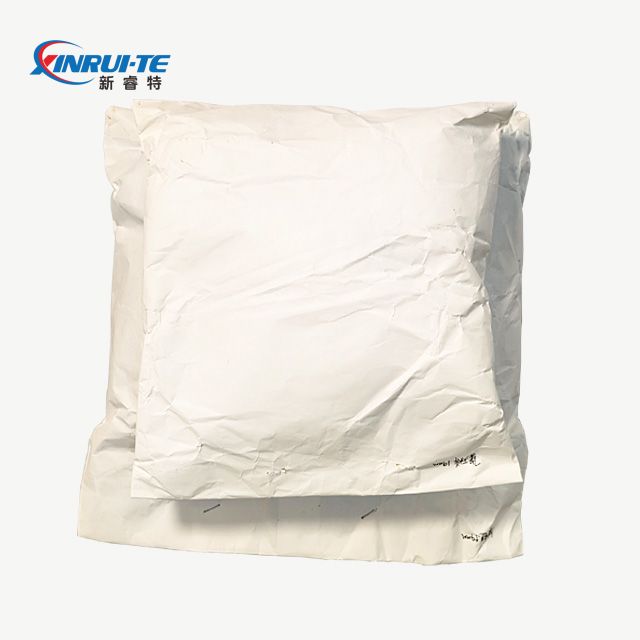
Understanding fiber profiles ensures you select the right material for your specific project. Manufacturers produce synthetic fibers in various shapes. Fibrillated fibers feature a net-like structure. While effective for some applications, they often clump during mixing. Conversely, single-strand monofilament structures disperse easily. They reduce the risk of "balling" and leave a highly smooth surface finish. This makes them ideal for troweled, stamped, or decorative concrete.
Engineers categorize these materials into two main functional groups. You must choose based on the curing stage and load requirements you aim to address.
Micro Synthetic fibre targets microscopic fissures specifically during the first 24 hours of curing. Concrete loses moisture rapidly during this phase. This rapid evaporation causes plastic shrinkage and thermal cracking. Micro fibers bridge these tiny gaps before they grow.
For material preference, monofilament Polypropylene fibers (100% virgin PP) serve as the industry standard. They provide optimal tensile strength alongside total chemical inertia. You will see these applied heavily in residential driveways, interior floors, curbs, and stamped concrete. The typical dosage ranges from 0.5 to 1.0 lb/yd³ (or 0.5%–2.0% by volume).
Macro Synthetic Fibre features a thicker and longer profile. It provides mechanical support long after the concrete hardens. When initial cracks finally occur under heavy loads, macro fibers span the divide. They hold the structure together, offering massive impact and fatigue resistance.
You apply macro fibers to heavy-duty environments. Common applications include industrial flooring facing heavy forklift traffic, bridge decks, shotcrete tunnel linings, and precast elements. The typical dosage requires a higher volume, generally ranging from 3.0 to 5.0+ lbs/yd³.
Feature | Micro Synthetic Fibre | Macro Synthetic Fibre |
|---|---|---|
Primary Function | Prevents early plastic shrinkage and thermal cracking. | Provides post-crack mechanical support and load bearing. |
Physical Profile | Short, thin, monofilament strands. | Longer, thicker strands (often embossed). |
Target Application | Residential driveways, decorative concrete, curbs. | Industrial floors, tunnel linings, bridge decks. |
Typical Dosage | 0.5 to 1.0 lb/yd³ | 3.0 to 5.0+ lbs/yd³ |
Surface Finish | Highly smooth; virtually invisible at surface. | May show slight texture depending on finishing technique. |
Procurement teams cannot rely on basic marketing claims. Evaluating synthetic fibers requires understanding specific physical metrics. The physical shape, anchorage capacity, and raw material quality directly dictate how well the product performs in the field.
Consider the geometry and aspect ratio first. Aspect ratio is the mathematical ratio of length to diameter. It heavily influences effectiveness. An aspect ratio between 40 and 80 provides the optimal balance. This range ensures excellent dispersion while maintaining high tensile strength. If the ratio exceeds 100, the fibers become too long relative to their thinness. They will clump heavily in the mixer, compromising structural integrity.
Critical length and anchorage represent another crucial engineering factor. The cement matrix must grip the fiber securely. The fiber needs sufficient length to achieve an anchorage force equal to its inherent tensile strength. If it is too short, it simply pulls out under stress. If properly sized, it absorbs maximum energy before breaking.
Material integrity determines long-term lifespan. Always look for high tensile strength and a high elasticity modulus. Demand 100% virgin polymer construction for critical load-bearing tasks. While recycled materials like R-nylon offer great environmental benefits, they require careful verification. Recycled polymers can sometimes negatively impact the overall compressive strength of the concrete batch.
Finally, always verify regulatory compliance. Ensure your shortlisted materials pass recognized international test methods. Require these baseline certifications:
ASTM A820: Standard specification for steel fibers (useful when comparing macro synthetics against steel benchmarks).
ASTM D7508/D7508M: The standard specification for polyolefin chopped strands in concrete.
EN 14889-2: The European standard certifying polymer fibers for concrete applications.
Field execution often breaks down due to simple misunderstandings. When adding monofilament fibers to a concrete mixer, operators frequently encounter the "slump illusion". Adding these fibers inherently makes the concrete mixture look much stiffer. The measured slump test results will drop. This visual stiffness triggers alarm for many inexperienced crews.
You must enforce a crucial rule: decreased visual slump does not mean workability is lost. The concrete will still consolidate easily under vibration. Never allow workers to add unauthorized water to the truck to compensate for stiffness. Extra water permanently dilutes the cement paste. This drastically compromises the concrete's target PSI and durability. If you truly need higher flow rates for pumping, strictly use approved superplasticizers instead.
Proper dispersion and mixing protocols guarantee success. Follow these steps carefully. You must mix the fibers at high speed for 5 to 7 full minutes prior to pouring. This extended agitation ensures a perfectly uniform 3D distribution. Skipping this step leads to uneven reinforcement and weak spots.
We highly recommend utilizing water-soluble packaging. Many suppliers offer pre-weighed bags designed to dissolve directly in the mixer. You simply toss the entire bag into the drum. This ensures perfectly accurate dosing per cubic yard. It also eliminates handling waste and speeds up batching times significantly.
Engineers must also acknowledge minor structural trade-offs. Synthetic materials vastly increase tensile ductility and impact resistance. However, very high dosages of certain synthetic materials can marginally decrease baseline compressive strength. You should never alter standard structural mix designs blindly. Always have a qualified structural engineer adjust aggregate balancing and cement ratios before implementing heavy macro fiber dosages.
Analyzing the financial viability of synthetic fibers requires looking beyond the initial material invoice. The upfront cost of premium synthetic fibers usually exceeds the cost of unreinforced concrete per cubic yard. However, you must evaluate the broader project economics. Using fibers allows you to omit planar steel mesh entirely in secondary reinforcement scenarios. This directly cuts heavy material expenses.
Furthermore, you drastically reduce expensive installation labor. Crews no longer spend hours measuring, cutting, carrying, and tying wire grids. Later in the asset's lifecycle, the reduction in joint spalling and crack maintenance yields massive savings. This combination creates a highly favorable net-positive ROI for the overall project.
To capture these benefits, you must evaluate your suppliers meticulously. Use this supplier shortlisting checklist to vet potential partners:
Material Safety Data Sheets (MSDS): Do they provide precise safety data? You need specific thermal metrics, such as a melting point of approximately 160°C for PP. This ensures safety in high-heat industrial applications.
Dosage Calculators: Can they provide application-specific dosage calculators? Avoid suppliers who only offer generic estimates. You need exact mathematical guidance based on your target PSI and load requirements.
Engineering Support: Do they offer active engineering support for mix-design adjustments? The best suppliers help your concrete producer balance aggregates and superplasticizers to accommodate their specific fibers.
Adopting monofilament plastic synthetic concrete fibers profoundly upgrades construction outcomes. It shifts a project away from reactive, endless crack repair. Instead, it establishes proactive, built-in structural durability from day one. You eliminate the massive vulnerabilities associated with corroding planar steel mesh.
For procurement and engineering teams, success relies on matching fiber profiles precisely to your project scope. You must identify whether your application demands early-shrinkage control via micro fibers, or heavy load support via macro fibers. Selecting the correct geometry, verifying aspect ratios, and enforcing strict field mixing protocols dictate the final quality of the slab.
Take action on your next pour. Consult directly with a structural engineer. Review current ASTM compliance sheets for synthetic options. Calculate the exact volumetric dosage required to safely replace your traditional secondary steel reinforcement. Upgrading to an isotropic 3D reinforcement matrix saves labor today and preserves concrete integrity for decades.
A: No. Synthetic fibers are designed specifically to replace secondary reinforcement. This includes temperature and shrinkage controls like light wire mesh. Primary load-bearing structural rebar cannot be replaced by synthetic fibers alone. You must still use primary steel for major structural spans.
A: Monofilament fibers consist of single strands. They disperse much more easily during the mixing phase without clumping or "balling". They also do not disrupt the surface paste of the concrete. This makes them the superior choice for smooth, troweled, or decorative finishes.
A: The overall batching process remains very similar. However, it requires a strict 5-to-7-minute high-speed mixing phase to ensure uniform 3D dispersion. The visual slump will decrease noticeably. You must remember never to add extra water to correct this perceived stiffness.
A: No. High-quality monofilament polypropylene fibers are completely chemically inert. They do not rust. They do not corrode when exposed to harsh de-icing salts. They remain highly resistant to the alkaline environment of the cement matrix, ensuring the entire lifespan of the structure.
Concrete is one of the most commonly used materials in construction and industrial applications, but the constant challenge has always been improving its durability and strength. One of the most innovative solutions to enhance concrete's performance has been the introduction of monofilament plastic synthetic fibers. These fibers have transformed how industries approach concrete reinforcement, offering enhanced performance, longevity, and flexibility. In this article, we will explore the significance of monofilament plastic synthetic concrete fibers, how they work, and the industries they are revolutionizing.
Monofilament plastic synthetic concrete fibers are made from a single filament of plastic material, typically polypropylene, that is incorporated into concrete during mixing. These fibers are engineered to improve the structural integrity of concrete by distributing load evenly throughout the material, providing reinforcement at a micro level. Unlike traditional steel reinforcement, which adds strength in larger, localized areas, monofilament fibers provide uniform reinforcement throughout the entire concrete mix.
The fibers themselves are light, non-corrosive, and highly effective at improving the overall performance of concrete, particularly when it comes to crack resistance, impact resistance, and durability under stress. These properties make them ideal for a wide variety of applications, especially in environments where concrete is exposed to high wear and tear.
Crack Control
One of the primary advantages of adding monofilament plastic synthetic fibers to concrete is their ability to control cracking. Over time, concrete can develop microcracks due to shrinkage, thermal stresses, or mechanical load. Monofilament fibers help mitigate the formation of these microcracks by reinforcing the concrete at a microscopic level. By distributing stress evenly, the fibers help prevent cracks from forming, leading to a longer-lasting and more durable concrete structure. This crack resistance is essential in applications such as flooring, pavements, and infrastructure where concrete is exposed to constant stress.
Improved Impact Resistance
Concrete is often subjected to heavy impact and stress, particularly in industrial settings, roadways, or high-traffic areas. Monofilament fibers improve the concrete's ability to withstand impact without cracking or breaking, making it ideal for areas that experience frequent wear and tear. Whether it's vehicle traffic on pavements or heavy machinery in industrial applications, these fibers provide enhanced resistance to impact, preventing surface damage and reducing maintenance costs in the long term.
Increased Durability
The durability of concrete is crucial in industrial applications, where concrete surfaces are exposed to harsh environments. Monofilament fibers make concrete more resistant to the elements, reducing the likelihood of surface damage from abrasions, thermal cycles, and chemical exposure. This increased durability ensures that the concrete will maintain its structural integrity and appearance for longer periods, reducing the need for repairs and replacements.
Enhanced Flexural Strength
Flexural strength is the ability of concrete to resist bending or flexing under stress. Monofilament plastic synthetic fibers improve this property by providing internal reinforcement, which prevents bending or cracking. This is especially beneficial in applications such as concrete beams, slabs, and pavements that are subjected to bending stresses. With improved flexural strength, concrete structures are better equipped to handle the weight of heavy loads without compromising their structural integrity.
Resistance to Fatigue and Stress
The combination of crack control, impact resistance, and flexural strength ensures that concrete with monofilament fibers can withstand repeated cycles of loading and unloading. This makes the concrete more resistant to fatigue, particularly in areas where stress is applied over time, such as roads, bridges, and industrial flooring.
Cost-Effectiveness
The addition of monofilament fibers is a cost-effective way to improve concrete performance without the need for expensive steel reinforcements. Fibers can reduce the reliance on traditional reinforcement methods, leading to lower material costs, and reducing the labor required for installation. Furthermore, the durability benefits of monofilament fibers help extend the lifespan of concrete, ultimately reducing long-term maintenance and replacement costs.
Monofilament plastic synthetic concrete fibers are gaining significant traction across multiple industries. From construction to manufacturing, these fibers are improving the quality and durability of concrete in a variety of settings. Some of the most common applications include:
Concrete floors in industrial settings are often subject to high traffic, heavy machinery, and harsh environmental conditions. Monofilament fibers are ideal for reinforcing these floors, helping them withstand impact, abrasion, and cracking. By incorporating synthetic fibers into the mix, companies can create floors that not only last longer but also require less maintenance over time.
The addition of monofilament fibers to concrete used for pavements and roadways helps prevent cracking due to thermal expansion, traffic load, and environmental conditions. These fibers improve the overall durability and lifespan of the road surface, reducing the need for costly repairs and resurfacing projects.
Monofilament plastic synthetic fibers are commonly used in the production of precast concrete elements, such as pipes, walls, and beams. These fibers help to increase the flexural strength and impact resistance of the products, making them more durable for a wide range of applications in infrastructure and construction.
Monofilament fibers are used to reinforce concrete structures that are exposed to harsh environments, including wastewater treatment plants, chemical storage tanks, and coastal infrastructure. These fibers improve resistance to corrosion and chemical degradation, ensuring that concrete structures remain strong and durable over time.
Monofilament plastic synthetic fibers are also useful in concrete repair applications, helping to reinforce old, damaged concrete and prevent future cracking. By adding these fibers to the repair mix, contractors can restore the structural integrity of concrete elements more effectively and efficiently.
Non-Corrosive Nature: Unlike steel reinforcement, which can corrode over time, monofilament plastic synthetic fibers are impervious to moisture, chemicals, and other environmental factors. This significantly extends the life of concrete and reduces the need for repairs and replacements.
Cost-Effective: Using synthetic fibers in concrete can be more cost-effective than traditional methods of reinforcement. The fibers are often less expensive than steel reinforcement and reduce the need for extensive labor during installation.
Ease of Application: Monofilament fibers are mixed directly into the concrete, simplifying the application process. There is no need for additional installation steps like with steel reinforcements, making it faster and more convenient for construction projects.
Sustainability: Monofilament plastic synthetic fibers are often made from recycled materials, making them an eco-friendly choice for concrete reinforcement. Additionally, by improving the durability of concrete, these fibers help reduce the need for repairs and replacements, contributing to long-term sustainability in construction projects.
To ensure optimal performance when using monofilament plastic synthetic fibers in concrete, it's important to follow the best practices for application and mix design. These include:
Proper Fiber Dosage: The amount of fibers added to the concrete mix should be based on the project's specific requirements. Too many fibers can make the mix difficult to work with, while too few may not provide the desired reinforcement.
Mixing Procedure: Fibers should be thoroughly mixed into the concrete to ensure uniform distribution throughout the mixture. This helps maximize the benefits of the fibers and ensures even reinforcement.
Testing: It's essential to conduct tests on the final product to ensure that the desired strength, durability, and flexibility are achieved. This may include testing for crack resistance, impact resistance, and flexural strength.
Monofilament plastic synthetic concrete fibers have revolutionized the way concrete is reinforced and applied in industrial settings. Their unique combination of durability, cost-effectiveness, and versatility has made them an essential tool for improving the performance and lifespan of concrete. From reducing the risk of cracking to enhancing impact resistance and reducing maintenance costs, these fibers are ideal for a variety of applications, including industrial flooring, roadways, and precast concrete products.
At www.xinrui-te.com, we specialize in providing high-quality monofilament plastic synthetic concrete fibers that can help enhance your concrete products. Our fibers are designed to meet the highest standards, ensuring improved durability and strength for your construction projects. Feel free to contact us for more information on how our products can support your needs.
What are monofilament plastic synthetic concrete fibers used for?
These fibers are used to reinforce concrete, preventing cracking, improving durability, and enhancing flexibility in a wide range of applications, including industrial floors, roads, and precast concrete products.
Are monofilament fibers better than steel reinforcement?
Monofilament fibers are non-corrosive and easier to apply than steel reinforcement, making them a more sustainable and cost-effective option in many applications.
Can monofilament fibers be used in all types of concrete?
Yes, monofilament fibers can be used in various types of concrete mixes, including those for flooring, pavements, precast products, and concrete structures exposed to harsh environments.
How do monofilament fibers affect concrete performance?
Monofilament fibers enhance the tensile strength of concrete, improving crack resistance, impact resistance, and overall durability, leading to longer-lasting concrete structures.


