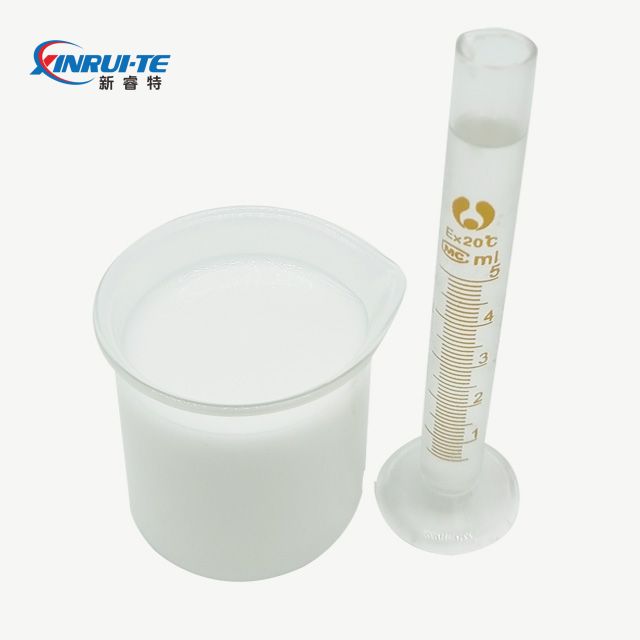
Polyether defoamer for sale high efficiency anti-foaming agent
Polyether defoamers are primarily synthesized from propylene glycol/glycerin, propylene oxide, ethylene oxide, etc., via potassium hydroxide-catalyzed reactions to form a highly effective defoaming solution. Characterized by environmental friendliness and high efficiency, this series is water-dilutable. Specifically developed for the cement concrete admixture industry—particularly for polycarboxylate superplasticizers—this defoamer is a novel high-carbon alcohol polyether ester formulation.
This high-temperature-resistant polyether defoamer is made from propylene glycol, glycerin, propylene oxide, and ethylene oxide, catalyzed with potassium hydroxide. It delivers excellent, long-lasting foam inhibition.
Eco-friendly and highly efficient, this non-silicone antifoam agent mixes directly with water. Specially developed for concrete admixture, it offers excellent compatibility and perfectly complements polycarboxylate superplasticizers, serving as a premium modified higher-alcohol polyether ester defoamer for cement slurry and construction projects.
Usage Instructions
◆ Pre-use Preparation
Stir well before use, as sedimentation or stratification
May occur after long-term storage.
◆ Dosage
Add directly to the polycarboxylate superplasticizer at a
recommended dosage of 1–3‰ (based on the weight of the
superplasticizer). Mix thoroughly to form a homogeneous water-reducing
agent mixture.
◆ Application Tip
Stir the polycarboxylate superplasticizer for 20–50 seconds before use to ensure uniform dispersion.
Defoaming Agent Technical Specifications
Property
Value
Appearance
Milky white liquid
Active Content
60%
Viscosity (No. 2 rotor)
800–2000 mPa·s
pH Value
6–7
Ionic Type
Non-ionic
Solubility
Water-soluble
Polyether defoamer (for concrete) — where it’s used
◆ Concrete admixtures
Mixes well with polycarboxylate, naphthalene, lignosulfonate, and other water-reducers to get rid of foam made
during production, mixing, and pumping.
◆ Cement paste/mortars
Useful for cement paste, plaster, masonry mortar, and self-leveling screeds to reduce air bubbles and make the mix denser.
◆ Precast products
Used in making precast concrete items like panels, pile sections, wall panels, and floor tiles.
◆ On-site construction
Works in ready-mix plants, cast-in-place concrete, grouts, grout injectables, and waterproof slurries.
◆ Related chemical systems
Can be used as a defoamer/foam suppressor in water-based building additives, paints, and other waterborne building emulsions.
Defoaming Agent Storage & Handling
Store in cool, dry conditions away from direct sunlight.
Agitate gently before each use to maintain consistency.
Avoid mixing with strong acids, bases, or incompatible chemical additives.
Polypropylene Fiber for Concrete is a high-performance synthetic additive uniformly dispersed throughout the concrete matrix to prevent plastic shrinkage cracking, enhance impact and abrasion resistance, reduce permeability, and improve structural durability across both fresh and hardened states.Wha
Micro steel fiber orientation dictates structural load transfer, tensile ductility, and flexural strength in Ultra-High Performance Concrete (UHPC) by bridging micro-cracks along primary stress paths.Table of ContentsIntroduction to Fiber Orientation and UHPC MechanicsMechanisms of Micro Steel Fiber
PCE superplasticizer, also known as polycarboxylate superplasticizer, is a high-performance water reducer. This PCE-based admixture offers strong water reduction and slump retention. But improper use can cause cement incompatibility, bleeding, segregation, over-dosing, surface bubbles, delayed setting and strength loss. To prevent these issues, test compatibility, control dosage and mixing water, follow placing procedures, and never mix PCE with naphthalene-based water reducers. Anhui Xinrui-te supplies polycarboxylate water reducer and polycarboxylic acid superplasticizer.
Polycarboxylate Superplasticizer (PCE) represents the peak of concrete chemical technology, offering ultra-high water reduction, reliable slump retention, and customizable molecular structures tailored to tackle raw material challenges. This technical guide outlines the core working mechanisms, perf
This article analyzes the steady rise in **PCE superplasticizer** prices in 2026, driven mainly by crude‑oil volatility and geopolitical tensions in the Middle East. Based on the naphtha‑cracking route, it quantifies how oil‑price changes transmit through EO and TPEG to affect the costs of PCE powder and 40% liquid mother liquor. Three oil‑price scenarios illustrate potential cost fluctuations. It also shares practical coping strategies for overseas buyers, covering contract optimization, inventory‑logistics adjustment, product‑form selection, downstream cost transfer, and raw‑material price monitoring, to help importers mitigate market risks amid price turbulence.
ConclusionControlling bleeding in concrete made with polycarboxylate superplasticizer is a comprehensive process involving several factors. These include:※ Customized design of the polycarboxylate water reducers’s molecular structure※ Proper use of air-entraining agents and viscosity-modifying admix
At a GlanceDispersion effect: Anionic carboxylic groups adsorb onto positively charged cement particles, creating electrostatic repulsion that breaks down flocculated cement structures and releases entrapped mixing water.Lubricating effect: Extended hydrophilic polyoxyethylene side chains form a den
Sodium Naphthalene Sulfonate (SNF) based admixtures are widely used as high-range water reducers in modern concrete production. By improving cement particle dispersion, SNF helps reduce water demand by around 18% to 28% while maintaining good workability and strength development. Its unique chemical
Global ocean freight keeps rising, with South America routes hit hardest. Traditional liquid PCE superplasticizer only has 40‑50% solid content. Water fills much of the container space, driving up logistics costs and increasing the risk of performance degradation during long‑distance hot sea transport. This article covers three main PCE forms: liquid, powder, and flake, and highlights the merits of flake or powder PCE superplasticizer. Cost simulation based on a 40'GP container shows that high‑solid solid‑form PCE greatly reduces freight cost per ton of active substance. With stable performance, long shelf life, low storage requirements, and good compatibility with ready‑mix concrete and dry mortar, it is a preferred cost‑saving solution for concrete admixture importers and distributors amid surging ocean freight.