
 |


| Raw Material : | |
|---|---|
| Acid &Alkali Resistance: | |
| Fiber Type : | |
| Flaming point: | |
| Melting Point(℃): | |
| Density(g/cm3): | |
| Quantity: | |
XRT-EPF
xinrui-te
Raw Material | Polyester | Acid &Alkali Resistance | Strong |
Fiber Type
| Multifilament | Flaming point | >560 C.Deg. |
Melting Point(℃) | >240℃ | Density(g/cm3) | 1.36+/-0.04g/cm3 |
Fiber length (mm)
| Times of 4mm or 6mm | Fiber Diameter | 0.02±0.005mm |
Crack elongation
| 30+/-9% | Tensile strength | > 600 MPa |
It bonds tightly with asphalt concrete, with strong adhesion.
It effectively boosts asphalt's toughness and serves as a good reinforcing and crack-bridging agent.
It greatly improves anti-rutting performance and prevents low-temperature cracking of roads.
It strengthens the overall structure and extends the service life of asphalt pavement.

1. New asphalt concrete pavement: Applied in new road construction
to enhance pavement performance by improving durability and
load resistance.
2. Old pavement overlay: Used as a renovation layer to inhibit reflective
cracks and strengthening structural stability in aged asphalt surfaces.
3. Low-temperature crack resistance: Enhances the asphalt concrete's ability
to withstand cold-induced shrinkage, reducing cracking risks in frigid
environments.
4. Pavement defect repair: Fixes cracks, potholes, and flaws, boosting the durability and load-bearing capacity of repaired sections.
5. Bridge deck asphalt: Installed on bridge surfaces to strengthen fatigue and water damage resistance, ensuring long-term structural
integrity.
6. High-strength concrete reinforcement: Added to fine aggregates to improve crack resistance and structural wholeness in high-
performance concrete.
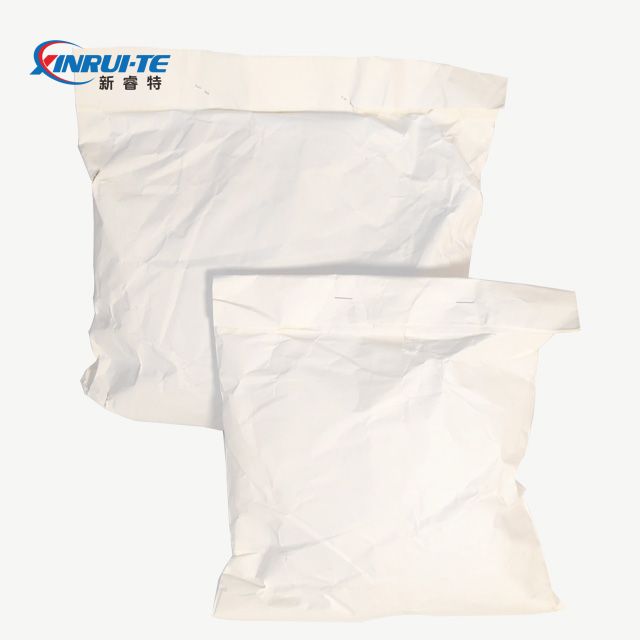
1.0kg / small bag, 20 or 25kgs a plastic woven bag, about 12mts/1x20`gp ,Also can be made as per customer`s request
◆ Low dosage, saves material
Polyester: 0.2%–0.25% (about 1–4 kg per ton of asphalt mix)
◆ High strength, heat-resistant, bonds well with asphalt
Melting point 240–260°C, stable under temperature changes
Tensile strength ≥ 500 MPa
◆ Cross-bundle filaments grab well in asphalt, giving stable reinforcement and crack-blocking.
◆ Longer overall service life, saves on maintenance later.
◆ Clearly improves rutting resistance, low-temperature cracking resistance, and fatigue resistance — extends pavement life and
reduces repairs.
Polyester short fibers are currently the best value for asphalt crack reinforcement — low price, stable performance, low dosage, and long life. They're much cheaper than glass or PAN fibers and more cost‑effective than PP or basalt.
1. Q: How to store and handle polyester concrete fibers?
A: Store in a dry, ventilated place away from sunlight and heat. Keep bags sealed until use. Use mechanical dosing or pre‑mixing for
uniform dispersion.
2. Q: Why choose PET polyester staple fiber over polypropylene or steel fiber for asphalt roads?
A: PET staple fiber offers higher tensile strength and heat resistance than PP (no softening at paving temps), and unlike steel it
won’t corrode or stain, is lighter, lowers construction cost, and provides stable anti‑rut and anti‑crack performance.
3. Q: Can PET polyester staple fiber withstand high mixing temperatures and cold‑region shrinkage?
A: Yes. PET melt point >256°C; it remains stable at asphalt mixing temps (~220°C). It also has good alkali/acid resistance and
low‑temperature flexibility, reducing thermal shrinkage cracks.
4. Q: Do you provide inspection reports for high‑tensile PET fibers for road construction?
A: Yes. Each batch includes factory test reports (tensile strength, melting point, dispersibility, anti‑crack). Third‑party testing is
supported; products meet international asphalt concrete reinforcement standards.


