| Appearance: | |
|---|---|
| Solid content: | |
| PH Acidity: | |
| Air Content%: | |
| Cement Paste Fluidity: | |
| 产品名称: | |
| Steel reinforcement corrosion: | |
| Availability: | |
| Quantity: | |
XRT-C
xinrui-te
382440
XRT-C, classified as a Slump Retention PCE Superplasticiser and also a high-performance High Range Water Reducer, is a newly developed environmentally friendly polycarboxylate superplasticiser. It is particularly suitable for low-slump concrete and concrete that loses its slump rapidly. It can significantly improve the plasticity of concrete. It presents as a yellowish viscous liquid and is non-toxic, non-hazardous, and non-corrosive.
◆ Excellent slump retention
Dominant slump-preserving property effectively slows down rapid slump
loss of fresh concrete under high ambient temperature, keeps stable
workability during transportation and casting.
◆ Reliable water reducing effect
Achieve a high water reduction rate while maintaining stable slump,
improving concrete compactness and final strength significantly.
◆ Strength Gain
Boosts early and late-stage concrete strength, minimising energy loss and enhancing structural integrity.
◆ High temperature resistance
Ideal for summer hot-climate construction, solves frequent concrete quick-slump fading issues in high-temperature environments.
Items | Unit | Specification | |
Visual Appearance | / | Colorless or yellowish liquid | |
Density | g/cm3 | 1.10±0.05 | |
PH Acidity | % | 6.5±1.0 | |
Solid Content | % | 40.0±1.0 , 50.0±1.5 | |
Cl- | % | ≤0.2 | |
Na2SO4 | % | ≤0.5 | |
Cement Paste Fluidity | mm | ≥220 | |
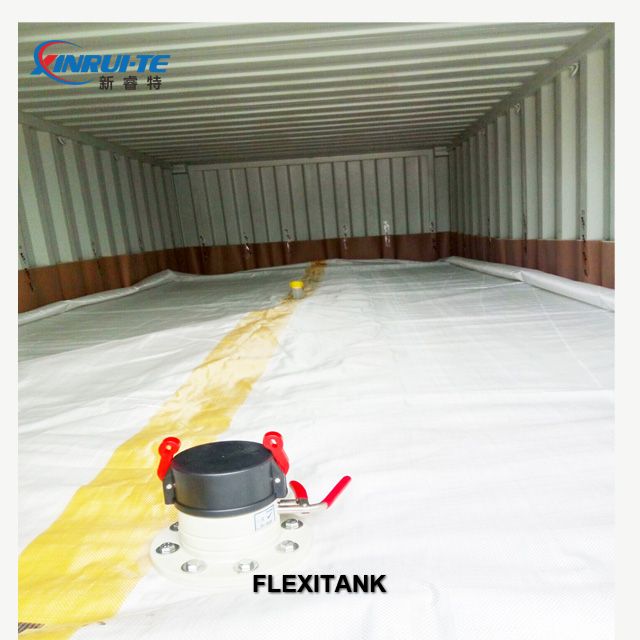
A. Liquid product: 230kg/200L PE drum,1150kg/IBC tank.
B.Sealed and stored under 0-35℃, far away from sunlight.
C. Shelf life is normally 12 months. It is tested for eligibility and then used when it exceeds.
1. Q: What is the core feature of XRT-C polycarboxylate superplasticiser?
A: It is a slump-retention-dominant PCE with balanced water reduction, specially designed for high-temperature construction and
anti-quick slump loss.
2. Q: How does PCE affect concrete strength?
A: PCE typically increases early and later strengths via lower w/c ratio and better packing; actual gains depend on mix design.
3. Q: Does PCE affect freeze–thaw resistance and durability?
A: By lowering w/c ratio and improving densification, PCE generally enhances durability. For freeze–thaw resistance, combine with
air-entraining agents and control the air content per standards.
4. Q: How long can XRT-C keep concrete slump stable under high temperature?
A: Normally maintains stable workability for 3~5 hours under high ambient temperature above 35℃.
5. Q: Do you offer customised PCE formula for special construction conditions?
A: Customised formula and solid content available based on clients’ local construction raw material conditions.
6. Q: How does PCE perform in pumped concrete?
A: PCE increases slump and cohesion, reduces pumping resistance and blocking risk; optimises mix to avoid segregation or bleeding.
Concrete is everywhere—bridges, houses, highways, dams. It’s the backbone of modern construction. But anyone working with concrete knows it doesn’t always cooperate. Once cement and water mix, the clock starts ticking. Trust Xinrui-Te Import & Export Co., Ltd. for high-quality retarders and expert support to ensure your projects are built stronger, safer, and more reliably.
Formulators, engineers, and procurement teams face mounting pressure in today's demanding industrial landscape. They must source chelating agents and chemical stabilizers balancing high technical performance against strict environmental regulations.
Optimize industrial foam control with precise dosing, root cause analysis, and engineering strategies to prevent downtime and maximize process ROI.
Foam in paint can ruin a smooth finish, causing imperfections and defects. How do manufacturers tackle this issue? Enter the defoaming agent, a crucial additive in paint formulation. In this post, you'll learn about defoamers' role in ensuring paint quality and the significance of foam control in industrial applications.
Chemical formulators and industrial engineers face mounting pressure today. They must replace harsh synthetic compounds immediately. Strict environmental, social, and governance (ESG) mandates demand high-performance, eco-friendly alternatives. Finding a benchmark biodegradable chelating agent solve
Managing foam generation remains a massive hurdle in food, beverage, and packaging production. Excess foam severely reduces processing throughput. It causes messy spillovers on facility floors. You must control this rapid macrofoam expansion without violating strict food-contact safety regulations.
Learn the difference between anti-foam agents and defoamers. Master preventive vs. reactive foam control to optimize industrial process efficiency.
Eliminate shrinkage cracks in screeds and plasters. Discover how monofilament synthetic concrete fibers ensure flawless, durable finishes.
Prevent concrete cracking with heat-resistant virgin fibers. Learn how to choose the right specs and secure reliable factory-direct pricing.
Eliminate industrial foam issues with polyether defoamers. Learn to match cloud point & compatibility for flawless production.
Stop foam disruptions with high-efficiency organic silicon defoamers. Learn how to select, test, and implement the right formulation to boost plant output and cut costs.
Stop foam bottlenecks with organic silicon defoamers—rapid knockdown, lasting suppression, micro-dosages, heat/pH resistance. Boost yield, cut costs.
Stop foam defects and silicone residue with polyether defoamers. Learn cloud point activation and evaluation criteria for sensitive industrial processes.