Sodium Lignosulfonate Introduction
Xinrui-Te Sodium lignosulfonate is made from papermaking waste liquid and processed by concentration, sulfonation, and spray drying. As a natural anionic polymer surfactant, it functions as a Sodium lignosulfonate concrete dispersion agent and is widely used as a sodium lignosulfonate concrete water reducer, offering excellent dispersion, wetting, and chelation. It is also used in oil drilling, pesticides, dyes, ceramics, and refractory materials. Eco-friendly, water-soluble, and cost-effective for industrial use.
Sodium Lignosulfonate Technical Specifications
| Property | Standard Value |
| Appearance | Brown powder |
| pH Value | 7–11 |
| Moisture Content | ≤7.0% |
| Water Insoluble Matter | ≤2.5% |
| Total Reducing Matter | ≤4.0% |
| Lignosulfonate Content | ≥45% |
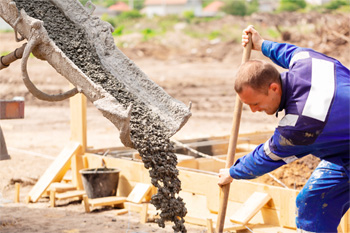
Sodium lignosulfonate concrete admixture use in practice
◆ Water-reducing effect
At normal dosages, it cuts water by about 10%–15%. For the same slump,
you use less water.
◆ Saves cement
With the same strength, you can save roughly 8%–10% cement,
significantly cutting project costs. (A key reason to choose sodium
lignosulfonate for construction concrete.)
◆ Better workability
The mix becomes smoother, less lumpy, and less likely to segregate or bleed. Pumping, pouring, and vibrating are all easier.
◆ Higher concrete strength
Less water makes the concrete denser, so 3-, 7-, and 28-day strengths all improve noticeably.
◆ Retards setting and keeps slumping
It has a mild retarding effect, so in hot weather the concrete won't set too quickly — you get more working time. It also reduces the
heat of hydration, which helps with large pours and reduces cracking.
◆ Improved durability
The denser structure boosts resistance to water penetration, freeze–thaw damage, and corrosion. Sodium lignosulfonate for
construction concrete helps deliver these long-term benefits.
Related Solutions


